
Rat Poison: Risks and Alternatives
Rodenticides are classified based on their toxicity into different types, including first-generation anticoagulants (e.g. warfarin), second-generation…
Read article
We find every way rodents get in, seal it with materials they can't chew through, and clean up the mess they leave behind. Your home should be a place of comfort and security.
Tell us where you're seeing signs of activity and we'll inspect, seal and protect your home.
House mice, deer mice and Norway rats are all at home around Spokane, and when the first hard frost arrives each fall they move indoors looking for warmth. Vents, eaves, garage doors and gaps around pipes are the usual way in, and larger animals will chew or claw through weak spots on the outside of your home.
Once inside, rats and mice nest in insulation, chew wiring and leave droppings that can spread disease. Identifying every place they get in is the first step to getting rid of them for good. That's where our inspection starts.

You may never see them, but rodents leave plenty of evidence. If you notice any of these, book an inspection.
Even if you don't see rodents, you'll find what they leave behind along joists, insulation and storage boxes.
Rats and mice chew insulation, electrical wiring and framing, which can create a fire hazard.
Scratching, scraping and thumping in the attic or walls, usually after dark.
Tunnels, nests and flattened patches in the insulation overhead.
A stale, ammonia-like smell from urine, nesting material or a dead animal.
Gnawed vents, torn screens and gaps around pipes, eaves and the roof line.
When we rodent-proof, we seal the structure: every point of entry in the attic, on the roof, in the crawl space and all the way around the property, using materials rodents cannot chew through.

Logan, Spokane · from first look to finished job


The bungalow's eaves and crawl-space vents show extensive rodent damage and entry points with visible nesting debris and droppings.
A technician inspects and clears out droppings and nesting debris from under the eaves.
A technician fits and fastens durable steel mesh and sheet metal over all vent openings to fully seal entry points against rodents.
Rodent entry points sealed completely, with all vents covered by sturdy mesh and flashing to protect the home.
Some images show actual Attic Crew jobs; others are representative, with details changed for customer privacy.
Tap any photo or project to see it full size and step through it.


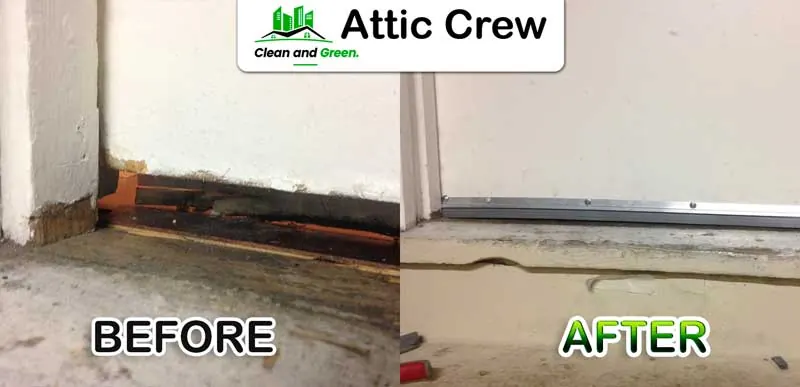

 4 photos
 4 photos
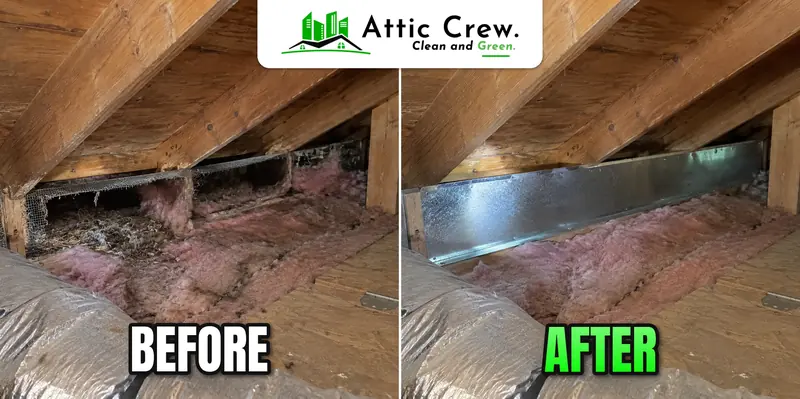 4 photos
 4 photos
 4 photos
 5 photos
 5 photos
 4 photos
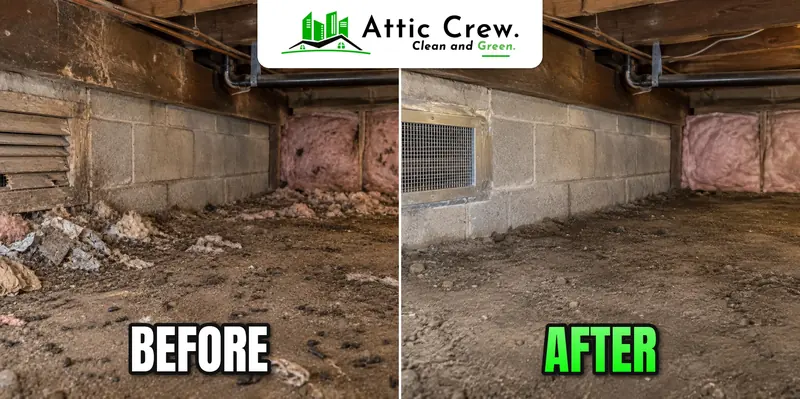 4 photos

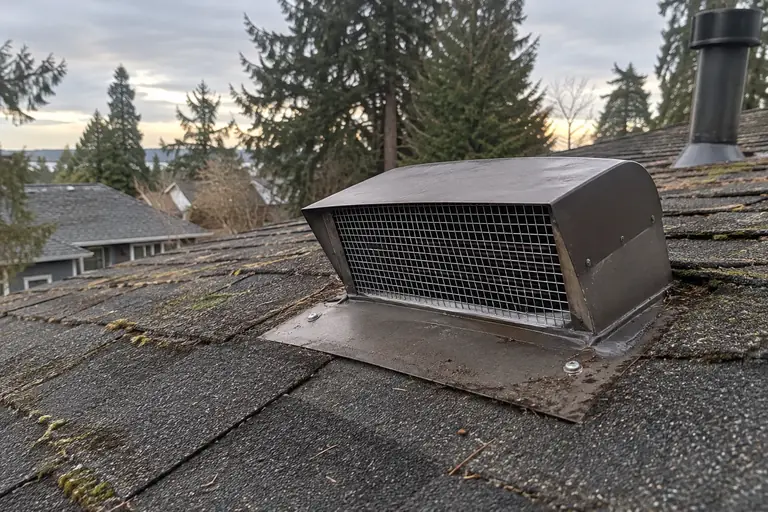
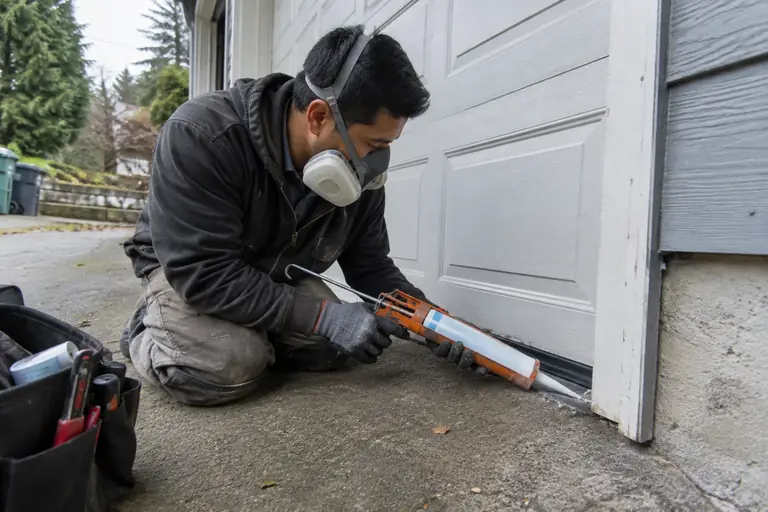


Some images show actual Attic Crew jobs; others are representative, with details changed for customer privacy.
Rated 4.9 on Google, with 5-star reviews on Yelp, so you can breathe easy knowing you're in good hands.
“We moved into a new home that had rodents in the attics. Attic Crew was respectful, polite, and well-priced. Zabi was the Project Manager for our project and he takes such great joy in his work. He spent hours making sure all entry points were sealed and provided before and after photos. He used top tier insulation and cleaned our attic spaces to perfection.”
“We needed some rodent proofing and all of the insulation in our raised house replaced. I was able to get them out for an estimate within days and schedule the work within a couple of weeks. The work was done in about 7 hours and looks fantastic. Everybody was very friendly and professional.”
“Up in the attic there was old blown in insulation, I wanted remove it and cleanup droppings. I messaged here on google and they got back to me within two hours. The price was competitive and i felt ready to do it! The team came at 7:30am two gentleman went to the attic and one guy start the rodent proofing in the roof. They took before and after photos, i also climbed up to look and it was so clean and new…”
Usually through openings at the roof line: damaged vent screens, gaps at the eaves and spaces around chimney or plumbing pipes. Mice can squeeze through gaps about the size of a dime, so we inspect the attic, roof, crawl space and exterior.
Materials rodents can't chew through: galvanized steel mesh, sheet metal, concrete and wood. Expanding foam is used for small gaps and as a backer, not on its own.
Yes. We remove droppings and nesting material, sanitize the area, and can remove and replace contaminated insulation in the same visit.
When temperatures drop, mice and rats look for warm shelter, and attics, basements and crawl spaces are ideal. Sealing before the first hard frost is the best way to stay ahead of them.
They can be. Deer mice, common in eastern Washington, can carry hantavirus, which spreads when dried droppings and nesting material are disturbed. Don't sweep or vacuum droppings yourself; we remove them with respirators, wet cleaning and disinfectant.
Yes. We inspect, photograph what we find and give you a firm written quote, with no obligation.
Local pages for the cities we serve most. We also work throughout Spokane, Spokane Valley, Liberty Lake, Cheney and the rest of Spokane County.

Rodenticides are classified based on their toxicity into different types, including first-generation anticoagulants (e.g. warfarin), second-generation…
Read article
Effective rodent control is crucial for maintaining a safe and healthy environment. Rodents not only cause damage to property and contaminate food…
Read article
Cluster flies are a common nuisance in many households, especially during the cooler months. These flies often seek shelter in homes and other buildings…
Read articleWe quote firm prices so there are no surprises. Book your free rodent proofing inspection today.